
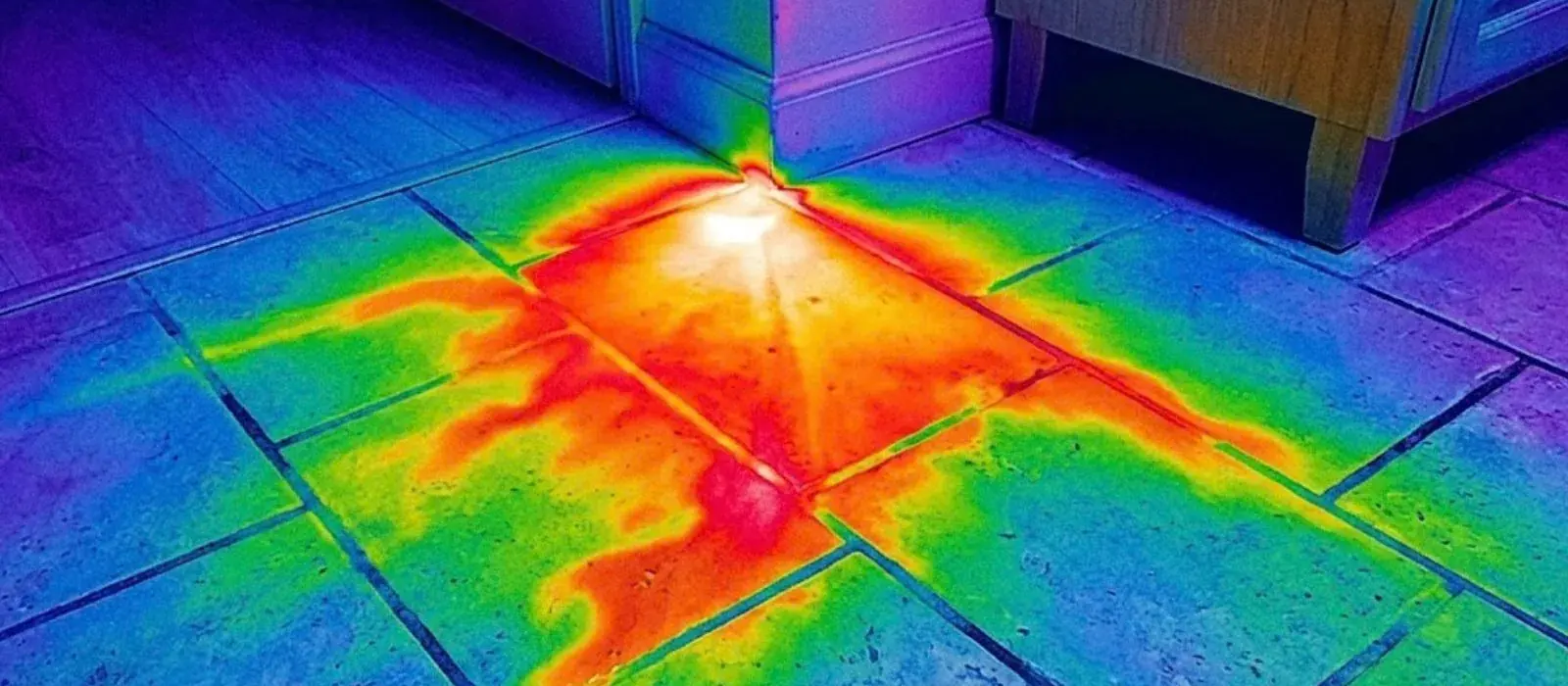
Question one: how many leaks has the house had
One leak in sound pipe is a candidate for spot repair. Two or more leaks in a short time point to a pipe problem and not bad luck. The next weak spot is usually close.
Keep a record. The date, location and repair of each leak helps the plumber see a pattern.
Question two: what is the pipe made of
| Material | Typical conclusion. |
|---|---|
| Copper in decent shape | Spot repair is reasonable. |
| Copper with pinholes in several places | Reroute or repipe. |
| Galvanized steel | Replacement is usually wiser. |
| Gray plastic of a failure-prone type | Replace the system. |
| PEX | Spot repair or reroute. |
The plumber can often tell from what is visible at the water heater and meter. If not, they can open the slab at the leak.
Question three: how much do you want opened
A spot repair opens a small patch of floor. A reroute opens walls and attic spaces but leaves the slab alone. A repipe opens walls throughout. Tile floors and built-ins raise the stakes for a spot repair.
Ask each plumber to show the cuts on a drawing. It helps you compare disruption, not only price.
Question four: what is your time horizon
If you plan to sell soon, a clean repair with documentation may be enough. If you plan to stay for decades, replacing the aging system now avoids repeat disruption.
A repipe also changes how a buyer sees the house. Our repiping page explains what the work includes.
What we see in valley slabs
Slab homes around Los Lunas sit on soils that move with moisture and season. Pipes laid in or under the concrete can rub on gravel or flex as the slab shifts. Groundwater minerals add wear over the years.
In Rio Communities and Belen, houses from earlier decades are more likely to have older pipe under the slab. Newer houses in Bosque Farms and Los Lunas are more likely to have modern materials, though a defect can happen anywhere.
How a plumber finds out first
A pressure test confirms a leak. Acoustic, thermal or tracer gas methods locate it. Only then does the plumber price options. Read how this works on our leak detection page.
Be wary of any quote that skips the locate step. A repair that starts with a guess can cost more than a repair that starts with a locate.
Cost conversation without numbers
Spot repairs cost less up front. Reroutes and repipes cost more up front but may avoid repeated visits. The right answer depends on the odds of another leak. If the odds are low, a spot repair is the efficient choice.
Ask each plumber for their reasoning, not only the price. A plumber who can explain why they think the pipe will hold or fail is giving you information you can weigh.
A scenario to test your thinking
Imagine a one-story house with copper pipe under the slab. A hot water line leaks under the kitchen. The pipe shows green corrosion at the repair point, and the plumber says the line is thin. A spot repair fixes this leak, but the pipe nearby is likely to fail soon.
In that case, rerouting the hot water line through the attic avoids the slab altogether. If the cold line is in good shape, you do not need to replace it. This kind of split decision is common.
Getting two opinions
For a decision of this size, a second opinion helps. Ask each plumber for the locate method, the proposed cuts and the repair plan in writing. Compare them side by side.
Be wary of any plumber who proposes a full repipe without locating the leak or testing the lines. A repipe may be right, but it should follow from evidence.
Why a repair still has value
Choosing a repipe does not make a spot repair foolish. If the house is for sale next year, if the pipe is newer or if the leak was caused by one damaged joint, a repair is a sound call.
Document the repair. Photographs, the pressure test result and the invoice show the next owner what was done. Keep them with your home records.
If another leak shows up after a spot repair, treat it as new information. Two leaks in a year mean it is time to look at reroute or repipe options with fresh eyes.
Red flags in any proposal
- No locate step before the quote.
- A repipe pushed after a single leak with no pipe inspection.
- Vague wording about patching and restoration.
- No permit mentioned.
- Pressure to sign the same day.
A confident plumber is comfortable with questions. If the answers are vague, keep looking. The decision is large enough to deserve a second visit and a second price.
Checklist before you decide
- Get the leak located and confirmed with a pressure test.
- Ask what the pipe looks like at the repair point.
- List every leak the house has had and when.
- Get a written price for repair, reroute and repipe.
- Ask about permits, patching and the schedule.
- Check your insurance for water damage coverage.
- Decide how long you plan to own the house.
With these answers on paper, the choice usually becomes clear. If it does not, a second opinion is worth the time.
Why locating comes first
Every option starts with finding the leak. Without a precise locate, the repair plan is a guess. A precise locate also lets the plumber check whether other lines are leaking.
Ask for the locate method, the accuracy and what happens if the first attempt fails.
Talking with your insurer
Call your insurer before the plumber cuts anything. Ask what your policy says about slab leaks, resulting water damage and access costs. Some policies pay for the damage but not for the pipe, and some exclude slab leaks outright.
Write down the claim number, the name of the person you spoke with and the date. Keep photos of the damage and the camera or locate report.
Code and rerouted lines
Rerouted supply lines follow the Uniform Plumbing Code (UPC), including approved materials and pressure testing. Ask for the test result as part of the paperwork.
Slab leak decision questions
It depends on the number of leaks and the pipe condition.
It replaces the supply system. Drains and fixtures are separate.
A spot repair is a day or two. A repipe takes a few days.
Yes. A slab leak can run quietly and raise the bill.
Yes. See Peralta.