
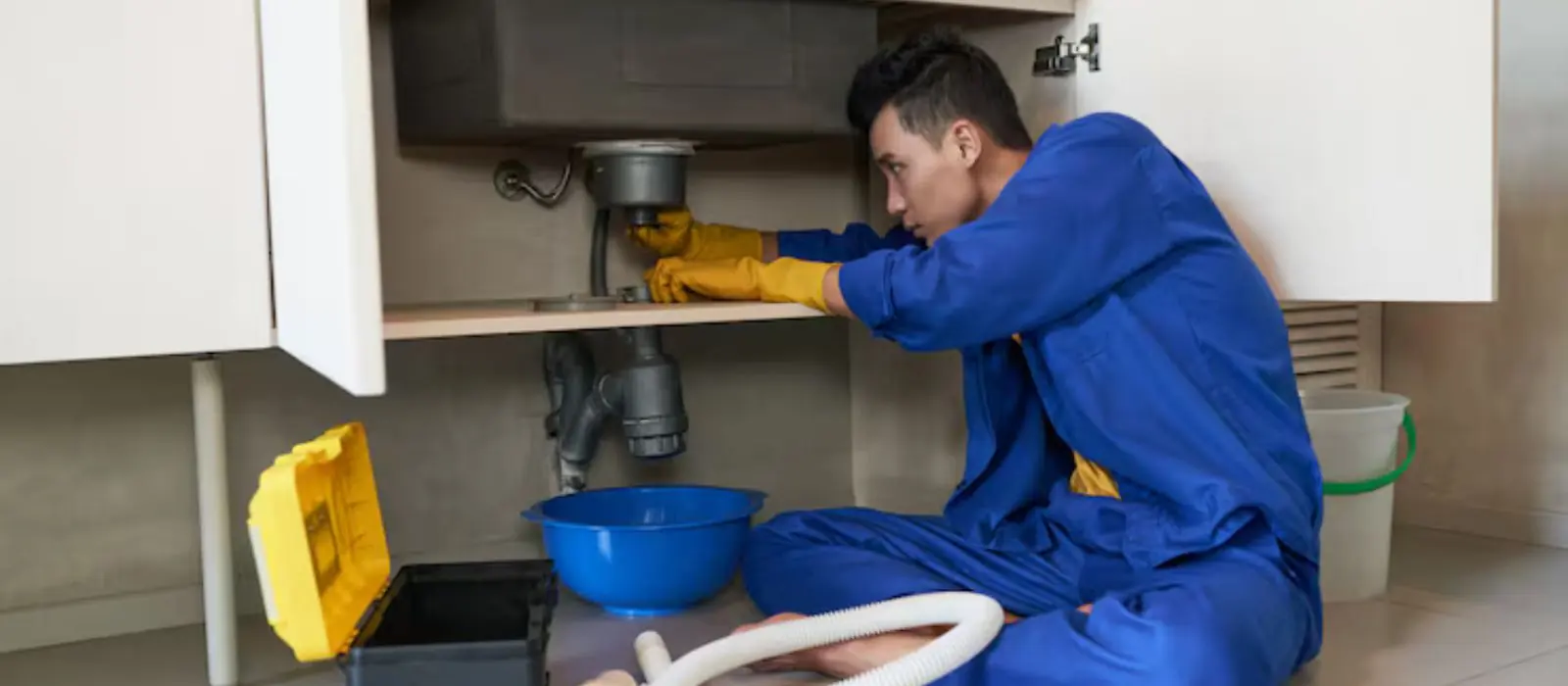
Check the stopper first
Most bathroom sinks have a pop-up stopper with a pivot rod behind the drain. Hair and soap collect on the stopper and the rod, and the buildup narrows the opening without blocking it.
Lift the stopper out. Many twist or lift off, and others are held by a nut under the sink. Clean it, wipe the drain opening and test the flow. This fixes a large share of slow sinks.
The trap and the arm
Under the sink, the curved P-trap holds a little water to block sewer gas. Hair and gunk collect in the bend. Put a bucket underneath, unscrew the slip nuts by hand, clean the trap and reassemble.
Watch the washers. A twisted washer leaks after you put it back. Run water and check each joint for drips before you close the cabinet.
Venting: the part nobody sees
Drains need air. A vent pipe goes through the roof and lets air in behind the water so that it flows smoothly. If the vent is blocked by a bird nest, leaves or debris, the sink gurgles and drains slowly.
| Sign | What it suggests. |
|---|---|
| Gurgling when the sink drains | Air is being pulled through the trap. |
| Slow drain on several fixtures | Vent or main line trouble. |
| Sewer smell near drains | Trap seal being siphoned. |
| Toilet bubbles when the sink drains | Shared drain or vent issue. |
A plumber can clear a vent from the roof or test it with a camera. This is not a task for a ladder and a hose at height.
When the problem is farther down
If the trap and stopper are clean and the sink is still slow, the blockage may be in the branch line. Soap and hair coat the pipe wall over time and the diameter shrinks. A cable clears it and a water jet scrubs it.
See our drain cleaning page for how a branch line gets cleaned. If other fixtures are slow too, the main line may be involved, and sewer line cleaning explains that service.
What we see in Los Lunas bathrooms
Mineral scale from groundwater can build up inside older metal drains and on stopper parts. The village draws from the Santa Fe Group aquifer, so scale is a normal part of life here. A vinegar soak removes it from small parts, and a plumber can replace a heavily scaled drain.
Older homes in Belen may have galvanized or cast iron drains where scale is thick. In newer Rio Communities subdivisions, builders used PVC and the problem is usually hair and soap.
A quick decision guide
- Clean the stopper and test.
- Clean the trap and test.
- Check whether other fixtures are slow.
- If so, suspect the main line or the vent and call.
- If only this sink is slow after steps 1 and 2, try a small hand auger in the branch.
If you reach step 5 and nothing changes, the pipe may have a sag or damage. A camera inspection answers the question. Read about sewer inspection.
Pop-up stoppers, step by step
Most bathroom sinks have a horizontal pivot rod behind the drain pipe. A clip or nut holds it in place. Loosen the nut, slide the rod out and lift the stopper. Clean the stopper and the end of the rod with an old toothbrush, then wipe the inside of the drain opening.
Reinstall the stopper so the pivot rod passes through the hole in the stopper tail. If the stopper does not lift fully when you pull the lift rod, the sink will drain slowly even when clean. Adjust the clevis strap until the stopper rises about as high as the flange.
Shape of the drain pipe matters
A drain must slope toward the main line. If the horizontal run under the sink is nearly level, or has a dip, water and solids stall there. A plumber can see this at once when the trap is off. A pipe that slopes the wrong way is a repair, not a cleaning.
Another factor is the trap arm length. Too long a run from the trap to the wall can siphon the trap dry and produce gurgling. This is a design problem, usually from a past remodel.
Why the problem seems to come and go
Partial blockages behave unpredictably. A sink drains fine for a week, then slows after a heavy night of brushing teeth and rinsing. The pipe narrows a little at a time, then a clump of hair or toothpaste residue completes the job.
Cleaning with a hand auger often clears it for months. If it returns in weeks, the cause is deeper, and a camera visit is the next step.
Seasonal habits that help
Dry winter air and hard water leave residue in bathroom sinks. Wipe the basin and clean the stopper monthly. Run hot water for a minute after toothpaste and shaving to move residue past the trap.
If guests will stay for a while, check the sink drain before they arrive. A slow sink with extra use becomes a full clog quickly.
When to call a plumber
Call when more than one fixture is slow, when a gurgle returns after you clean the trap or when a sewer smell comes with the slow drain. A plumber can run a cable through the branch line, check the vent and use a camera if needed.
See our drain cleaning page for what the visit includes.
Products to skip
Skip gel drain cleaners and enzyme products that promise miracles. Most do little for a partial blockage and some harm fixtures. A trip to the hardware store for a hair-pulling tool is a better use of money.
If you want a preventive step, flush the drain with very hot tap water weekly.
Venting rules in plain terms
The Uniform Plumbing Code (UPC) requires each fixture drain to be vented so that air can follow the water. When a remodel or an old repair breaks that rule, you get slow drains and gurgling that no cleaning fixes.
Slow bathroom sink questions
Hair on the stopper or a partial blockage in the branch is most likely.
Yes, a blocked vent can slow a drain and cause gurgling.
Not recommended. A mechanical fix is safer for pipes and for you.
Often yes. Buildup grows over time.
Yes. See Peralta.